



Categories: Breastfeeding, Pumping
January 23, 2026
Last updated on January 23, 2026
Pumping breast milk often means juggling a lot at once. You’re thinking about timing, storage, feeding, cleaning parts, and somewhere in the middle of it all, you’re probably wondering if you’re doing things “right.”
Questions about breast milk storage and heating are some of the most common ones parents have. Do you need to warm milk every time? Can you warm milk straight from a storage bag? How long is pumped milk actually safe to use?
The good news is that breast milk handling doesn’t need to feel complicated or stressful. With a few clear do’s and don’ts, you can feel confident storing, thawing, and warming your milk in a way that’s safe, realistic, and flexible enough for everyday life.
Breast Milk Storage Do’s & Don’ts
Do start with clean hands and clean equipment.
Before pumping or handling breast milk, washing your hands is one of the simplest and most important steps. Clean pump parts, bottles, and feeding supplies help protect your milk and keep your routine running smoothly.
Do use containers made specifically for breast milk.
Breast milk should be stored in breast milk storage bags or clean breast milk collection bottles/containers or food-grade containers with tight-fitting lids. Regular household plastic bags or disposable bottle liners aren’t designed to safely store breast milk and can increase the risk of leaks or contamination.
Do follow safe storage timeframe.
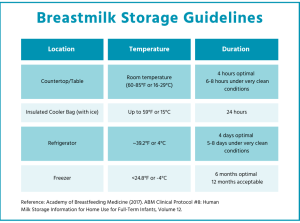
Freshly expressed milk can be kept at room temperature (60-85°F) for up to 4 hours, stored in the refrigerator for up to 4 days, or frozen for longer-term storage. For frozen milk, using it within 6 months is best for quality, though it can be kept for up to 12 months if needed. Labeling milk with the date it was pumped makes it easier to use older milk first and avoid waste.
Don’t store milk in the refrigerator or freezer door.
The door is one of the warmest and most temperature-variable spots. Storing milk toward the back of the fridge or freezer helps keep temperatures consistent, which is better for maintaining milk quality.
Do portion milk in a way that fits your baby.
Freezing milk in smaller amounts, often 2 to 4 ounces or whatever your baby typically drinks in one feeding, can make thawing easier and reduce the chance of throwing milk away. When freezing, remember to leave some space at the top of containers, since breast milk expands as it freezes.
Do cool freshly pumped milk before combining it with stored milk.
If you’re adding newly expressed milk to milk that’s already been refrigerated or frozen, let the fresh milk cool first. Adding warm milk directly to cold or frozen milk can cause partial thawing, which affects quality and safety. Once cooled, freshly pumped milk can be combined with milk stored at the same temperature.
If you’re traveling, breast milk can be stored in an insulated cooler with frozen ice packs for up to 24 hours. Once you arrive at your destination, use the milk right away or transfer it to the refrigerator or freezer.
The storage timeframes and handling tips shared here reflect widely used safety guidance, including recommendations from the Centers for Disease Control and Prevention (CDC) and Academy of Breastfeeding Medicine.
Breast Milk Storage Bags
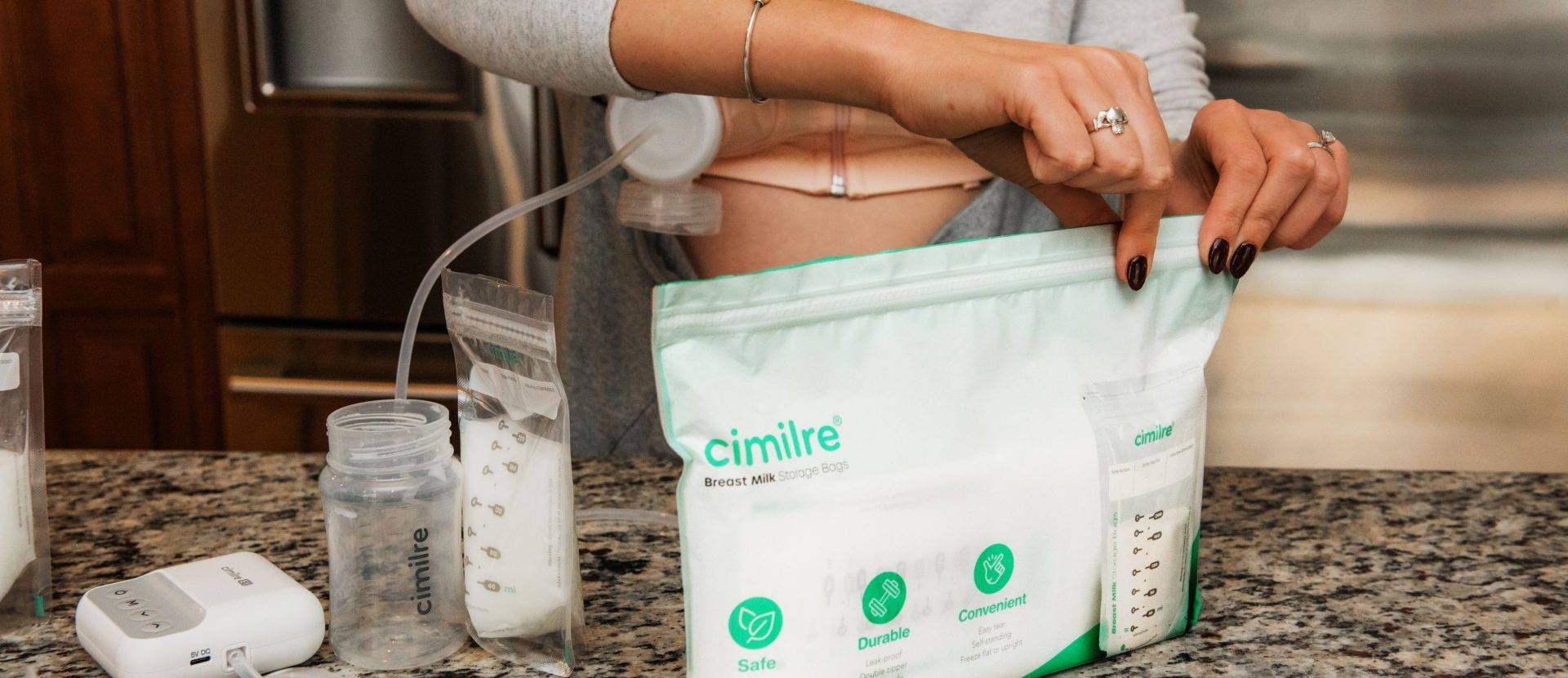
Keeping milk safe and organized matters, especially when you’re pumping regularly. Breast milk storage bags from brands like Cimilre and Lansinoh, are designed to be convenient, space-saving, and protective during both refrigeration and freezing.
These storage bags are pre-sterilized, leak-resistant, and include features like double-zipper seals and write-on label areas to help track dates and volumes. Some designs also offer small conveniences, like self-standing bottoms or reinforced seams, that make everyday pumping just a little easier.
If you’d like to learn more about how breast milk storage bags may be covered by insurance, we break that down in detail in our blog Unlocking the Benefits: How to Get Breast Milk Storage Bags Through Insurance.
Thawing and Warming Breast Milk: Do’s & Don’ts
Do thaw milk gently and plan ahead when you can.
When using frozen milk, it’s best to thaw the oldest milk first. Thawing overnight in the refrigerator works well for many families, but milk can also be thawed by placing the sealed container or storage bag in warm or lukewarm water, or by holding it under lukewarm running water.
Don’t microwave breast milk.
Microwaving can damage important nutrients and create hot spots that may burn your baby’s mouth. It’s one of the few hard “don’ts” when it comes to breast milk handling.
Don’t panic if thawed milk smells or looks a little different.
Frozen and thawed breast milk can sometimes have a slightly different smell, color, or texture than freshly pumped milk. These changes can be influenced by diet, as well as natural changes that happen during storage. In most cases, this milk is still safe for your baby if properly stored, even if it smells or tastes a little different than freshly pumped milk. For parents who want more detail on why this happens, La Leche League International shares helpful information on changes in smell of human milk.
Do pay attention to timing once milk is thawed or warmed.
Milk that has been fully thawed in the refrigerator should be used within 24 hours. If milk has been warmed or brought to room temperature, it should be used within two hours. Once breast milk has been thawed, it should not be refrozen.
Do remember that warming milk is optional.
Breast milk does not need to be warmed. It can be served cold or at room temperature, and many babies are perfectly comfortable drinking it that way. Some babies prefer warmed milk, while others don’t have a preference at all. Both are safe, so the right choice is the one that works best for your baby and your routine.
If you do warm milk, keep it gentle.
The safest way to warm breast milk is by placing the sealed container or storage bag in a bowl of warm water or holding it under warm (not hot) running water for a few minutes. Gently swirl the milk to mix any separated fat rather than shaking it. Before feeding, test the temperature with a few drops on your wrist; it should feel lukewarm, not hot.
Breast milk storage bags designed for milk collection can be warmed safely using this method, as long as they remain sealed. Milk should never be heated directly on the stove or placed in boiling water.
Don’t save unfinished bottles for too long.
If your baby doesn’t finish a bottle of expressed breast milk, the remaining milk should be used within two hours. After that, it’s best to discard it.
Safe breast milk storage and heating rely on using recommended timeframes and handling milk carefully at each step. Following these practices helps protect the quality of your milk and supports your baby’s health.
Whether you’re pumping occasionally or building a freezer stash, these practices help ensure your milk is ready when your baby needs it.
Important to know:
Storage and warming recommendations may be different for babies with specific medical needs. In some cases, such as prematurity or certain health conditions, babies may require more specific feeding practices, including avoiding cold milk. If your baby was born early or has unique medical considerations, always follow guidance from your baby’s care team and reach out to them with any questions about feeding, storage, or warming breast milk.