



Category: Pregnancy
March 20, 2026
Last updated on March 20, 2026
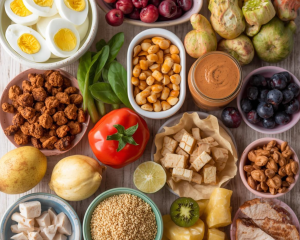
The first trimester is a wild ride. One minute you’re thrilled, the next you’re exhausted, nauseous and then suddenly offended by foods you loved last week. While you may hear you’re “eating for two,” early pregnancy is less about eating more, and more about eating smart.
For most people, extra calories aren’t needed in the first trimester. Instead, focus on your usual eating pattern, prioritize nutrient‑dense foods, and keep up gentle activity like walking if your provider gives the green light. When in doubt, a registered dietitian can help tailor nutrition to your symptoms, schedule, and energy levels.
Protein: Your First-Trimester MVP
Protein supports early fetal development and your changing body. During early pregnancy, a minimum of 60 grams per day is recommended, just a small increase from pre‑pregnancy needs.
Easy protein wins:
- Eggs (fully cooked)
- Greek yogurt or cottage cheese
- Beans, lentils
- Tofu
- Lean meat or fish (fully cooked)
- Nut butters
- Protein smoothies
Bonus: Spreading protein throughout the day may help keep blood sugar steady and reduce nausea.
Nutrient-Dense Foods > Extra Calories
Since calorie needs don’t increase much early on, choose foods that pack the most nutrition per bite if you can tolerate.
Think:
- Colorful fruits and veggies
- Whole grains
- Lean proteins
- Healthy fats
Food aversions are normal. If vegetables suddenly feel offensive, don’t panic, doing your best with what does sound good is still doing enough.
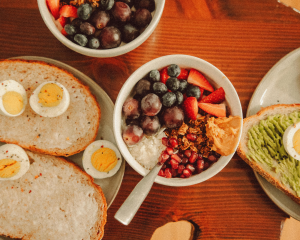
Nausea Survival Tips (Because “Morning” Sickness Lies)
Nausea can strike at any time of day! Morning, afternoon, or while brushing your teeth.
Helpful strategies include:
- Eating 5–6 small meals per day
- Having a protein snack before getting out of bed
- Taking prenatal vitamins at night if tolerated with a snack
- Choosing cold or bland foods when smells are overwhelming
If comfort foods are all that work, small upgrades, like whole grains or added protein, can help without turning meals into a battle.
Prenatal Vitamins & Key Nutrients (The Short List)
Prenatal vitamins help cover nutrition gaps, especially when appetite is unpredictable. Taking them at night with a small snack may help reduce nausea.
Folate/Folic Acid: Helps prevent neural tube defects
Sources: fortified cereal, leafy greens, citrus, beans
Calcium: Builds bones and teeth; supports muscles and nerves
Sources: dairy, kale, broccoli, salmon, fortified foods
Vitamin D: Works with calcium for bone development
Sources: fatty fish, eggs, fortified dairy or alternatives
Hydration: Boring but Important
Water supports digestion, circulation, and energy. Aim to sip regularly and use low‑sugar electrolytes if needed. Soda doesn’t count; it’s just sugar in a fizzy disguise.
Food Safety: Not the Time to Be Adventurous
Pregnancy lowers your tolerance for foodborne illness, so play it safe.
Avoid:
- Raw fish, shellfish, eggs, or meat
- Unpasteurized dairy
- Deli meats unless heated until steaming
- Ready‑made meat salads
- Raw sprouts
Be sure to wash produce thoroughly.
Caffeine, Tea, and Alcohol
Caffeine should be limited to 200 mg per day or about one 12‑ounce coffee or two small cups of tea. Herbal teas sound innocent but can be sneaky, so check with your provider before sipping regularly.
Alcohol? No amount is considered safe during pregnancy.
Easy Snacks & Simple Meals (Low Effort, High Payoff)
Protein‑rich snacks:
- Greek yogurt with berries
- Cottage cheese with fruit or whole‑grain crackers
- Apple or banana with nut butter
- Hard‑boiled eggs
- Hummus with crackers or soft veggies
Nausea‑friendly options:
- Toast with nut butter
- Crackers and cheese
- Smoothies with yogurt, fruit, and optional spinach
- A small snack before getting out of bed may help take the edge off nausea.
Simple meals:
- Scrambled eggs, whole‑grain toast, fruit
- Oatmeal with milk and nuts
- Grain bowls with veggies and beans or chicken
- Whole‑grain pasta with blended veggie sauce
- Soup with beans or meat and whole‑grain bread
If a partner, friend or family member is asking what they can do to help, having them prep vegetables and meats for you to heat and eat is a huge help and may help with food aversions or nausea related to strong odors.
Final Thoughts
The first trimester isn’t about eating perfectly, it’s about getting through it. Prioritize protein, hydration, nutrient‑dense foods, and food safety, and give yourself grace on the tough days. Your body is doing a lot of work behind the scenes, even if all you managed was toast and yogurt today.
Disclaimer: This content is for educational purposes only and is not intended to replace medical advice. Always consult your healthcare provider or a registered dietitian for personalized nutrition guidance during pregnancy.
About the Author
Elise Perry holds a BS in Human Nutrition and Dietetics (University of Maine), an MPH (University of New Hampshire), and certifications as a Health Coach and Lactation Counselor. She has worked as a WIC Nutritionist, Health Coach, and Lactation Counselor, supporting families through pregnancy, postpartum, and beyond.
References
Mayo Clinic. Pregnancy diet: Focus on these essential nutrients.
https://www.mayoclinic.org/healthy-lifestyle/pregnancy-week-by-week/in-depth/pregnancy-nutrition/art-20043844 [mayoclinic.org]
UCSF Health. Eating Right Before and During Pregnancy.
https://www.ucsfhealth.org/education/eating-right-before-and-during-pregnancy [ucsfhealth.org]
USDA My Plate. Pregnancy and Breastfeeding. https://www.myplate.gov/life-stages/pregnancy-and-breastfeeding [myplate.gov]