



Categories: Pregnancy, Pumping
August 26, 2026
Last updated on August 28, 2026
As you begin to prepare for your newborn’s arrival, you have plenty on your mind. You are already preoccupied with finding a pediatrician, babyproofing your home, preparing a nursery, and securing essential gear like a car seat, stroller, crib, and diapers. The last thing that you need right now is yet another task to complete.
Thankfully, getting a breast pump through insurance is usually one of the easier things to check off your list! While every insurance plan is a little different, most expecting parents can receive a breast pump through insurance in just a few simple steps.
Getting a breast pump through insurance – at a glance
- Verify your insurance coverage
- Choose the breast pump that’s right for you
- Enter personal info and submit your order
- Receive your breast pump according to your insurance plan’s shipping guidelines
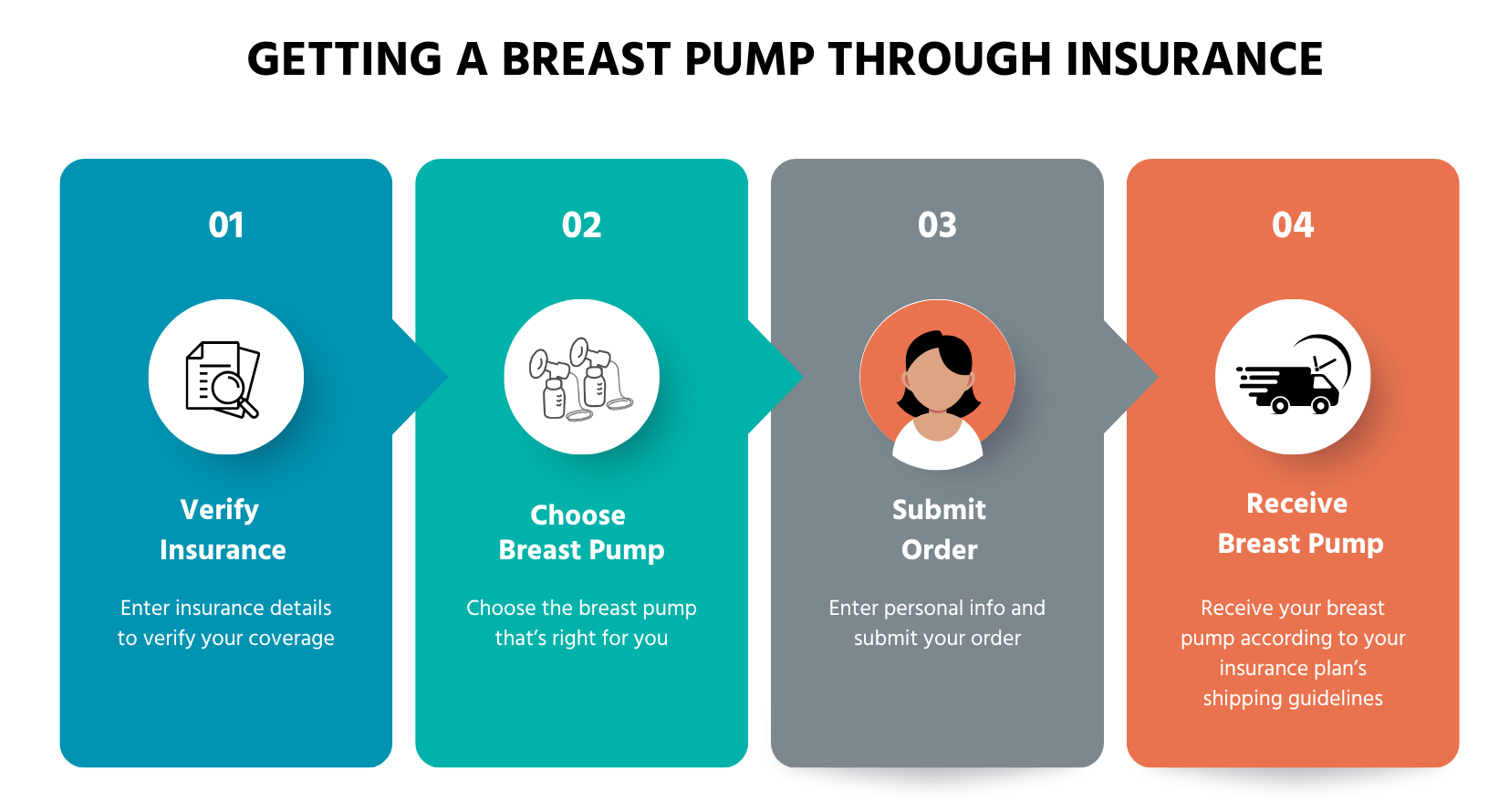 For most families, the entire process takes only a few minutes online, and the Durable Medical Equipment (DME) provider handles the insurance verification and obtains the prescription on your behalf, if needed.
Who qualifies for a breast pump through insurance?
The Affordable Care Act (ACA) signed into law in 2010, expanded coverage of breast pumps, accessories, and supplies for most expecting families. Today, most expecting and postpartum moms can get a breast pump through insurance.
While there are a small number of insurance plans that may not offer pump coverage, most commercial insurance and Medicaid plans do.
A Durable Medical Equipment (DME) provider can help you understand your specific benefits and guide you through the process.
What is a DME?
A Durable Medical Equipment (DME) provider, like Acelleron, is a convenient connection between patients, healthcare providers, insurance companies, and medical equipment.
DMEs help patients obtain medically necessary equipment through insurance while following each insurance plan’s coverage guidelines and dispensing requirements.
Their goals include:
- Making the overall ordering process easy and convenient
- Offering high-quality medical equipment, like breast pumps, from trusted manufacturers
- Following insurance requirements and coverage guidelines
- Coordinating prescription needs between patients and providers
- Ensuring a positive patient experience from start to finish
One of the biggest advantages of working with a DME is that they handle the paperwork and coordination for you, allowing you to focus on preparing for your baby rather than navigating insurance requirements.
When should you order your breast pump?
The second trimester is a great time to start exploring breast pump options and getting an order started. Can you do it before or after? Absolutely, but ordering around the second trimester gives you plenty of time to consider your needs and preferred features without ordering so early that you lose valuable warranty time. Many providers begin discussing breast pump ordering with patients around the 28-week visit.
Fun fact: A pump’s warranty typically begins when you receive the pump, not when you start using it. Breast pump warranties are typically one or two years long, depending on the manufacturer and model. Check your pump manufacturer’s warranty for specific details.
You can also order during your third trimester or even after your baby is born. However, waiting until late in pregnancy can leave less time to resolve potential issues, such as obtaining a prescription from your provider, or getting familiar with your pump, which can lead to added stress.
If you don’t need a personal pump soon after delivery, you can also order one once you’re home. Keep in mind that some people need to begin pumping soon after birth for medical or other reasons that aren’t always predictable during pregnancy. Many hospitals have multi-user pumps available for temporary use after delivery, if needed.
How do you choose the right breast pump?
The biggest decision you will need to make is choosing the pump model that is best for you. Since most insurance plans only cover one breast pump per pregnancy, it is key to consider the style of pump and features that would work best for your lifestyle. Think about how often you expect to pump, where you’ll be pumping, if you’ll be returning to work, and how features like suction/cycle settings, portability, warranty, and other features may play into your decision.
Remember, everyone’s body and goals are different, so try to avoid basing your decision on what is most popular. What works for another person may not work for you, and your own pumping needs may even differ from one pregnancy to the next. Refer to our blog on Finding the Right Breast Pump for You for more detailed information.
What types of breast pumps are covered?
Once you have an idea of what you’re looking for, it helps to understand the different types of pumps you may have available through insurance.
Most insurance and DME providers include at least one (usually more) breast pump at no out-of-pocket cost. Depending on your insurance plan, your DME may also offer upgraded pumps with additional features or accessory bundles. Because these upgrades go beyond standard insurance coverage, they may require an out-of-pocket upgrade fee.
Common pump type categories include:
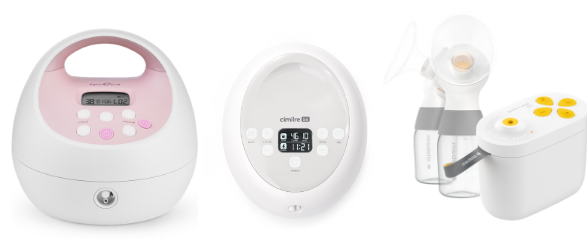
- Primary pumps: Designed for daily use and are often more durable, these pumps typically have more settings and stronger motors, helping you maintain your milk supply and pump more efficiently. Examples include the Spectra S1/S2, Cimilre S6/S6+, and Medela Pump In Style Pro/Pro+.
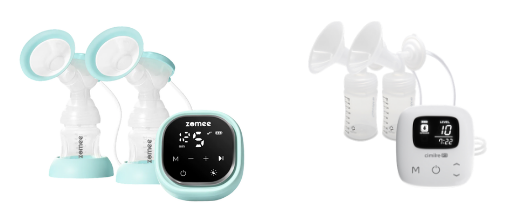
- Portable pumps: Designed to be compact with greater mobility, these are great when you’re away from home or need a back-up to your primary pump, making pumping easier and more flexible. Examples include the Zomee Z2 and Cimilre P1.
- Wearable pumps: Designed to fit inside a bra, these pumps allow for hands-free pumping with greater discretion, but they are generally intended for occasional use as a secondary pump. Examples include the Lansinoh DiscreetDuo Flow, Zomee Fit, and Eufy S1 Pro.
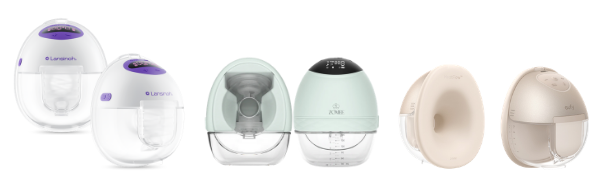
The types and models available vary by insurance plan. Your DME provider can help you understand which options are covered, whether any upgrades are available, and if there are additional costs.
What else is needed with your breast pump order?
Once you have selected a breast pump, the DME will need basic information to verify your eligibility:
- Insurance information (plan name, insurance ID, and possibly group ID/#)
- Baby’s expected due date
- Personal information (name, phone number, email, etc.)
- Shipping address
- Your provider’s information
Providing complete and accurate information helps avoid delays in processing your order.
Do you need a prescription for a breast pump?
Most insurance plans require a prescription for a breast pump. Many expecting parents will receive a hard copy of a prescription (printed or handwritten) for their breast pump, accessories, and supplies from their provider during a regularly scheduled office visit. For those who do not, the DME can contact your provider on your behalf to obtain the prescription.
What happens after the breast pump order is submitted?
Once your order is finalized, the DME provider will send you a confirmation letting you know that the order is complete, including the expected shipping date. Your breast pump will ship based on your insurance guidelines. Some insurance plans allow shipment several months before delivery, while others require you to be closer to your due date or after your baby has been born.
Can you order a pump with more than one DME provider?
When you are looking into ordering a pump, you may explore different DME providers but be careful not to submit multiple orders.
Most insurances plans cover one breast pump per pregnancy. Submitting orders through multiple DME providers can result in multiple claims being sent to your insurance, which may cause later claims to be denied. In some cases, you could also receive a bill for a denied order or product.
Tip: Compare your options, choose the DME provider that’s right for you, and submit only one breast pump order.
What about breast milk storage bags?
Many insurance plans also cover breast milk storage bags, often including an initial supply with your breast pump. This is one less item for you to purchase! Depending on your insurance plan, you may also qualify for resupply throughout your baby’s first year.
Do breast pumps need replacement parts?
Breast pump parts naturally wear down over time, especially with frequent use. Replacement parts may be covered through your insurance plan, and depending on your plan, include:
- Bottles
- Tubing
- Breast shields (flanges)
- Valves
Worn parts can affect your pump’s suction and overall performance, so replacing them can help keep your pump working effectively.
The frequency of replacement part coverage varies significantly by insurance plan, so it’s best to contact your DME provider to confirm your specific replacement parts coverage.
Ready to get started ordering your pump through insurance?
It may seem overwhelming at first, but the process is much easier than you may expect. Most families can check their insurance coverage, view eligible pump options, and submit an order online in just a few minutes.
Not sure which breast pump to choose? We’re here to help. Watch our Breast Pump Unboxing Series on YouTube, register for our free on-demand Pump Exploration Webinar, or check out our Breast Pump Selection Guide to help you make the best choice for you. When you’re ready, you can order your pump here!